
 Cart is empty
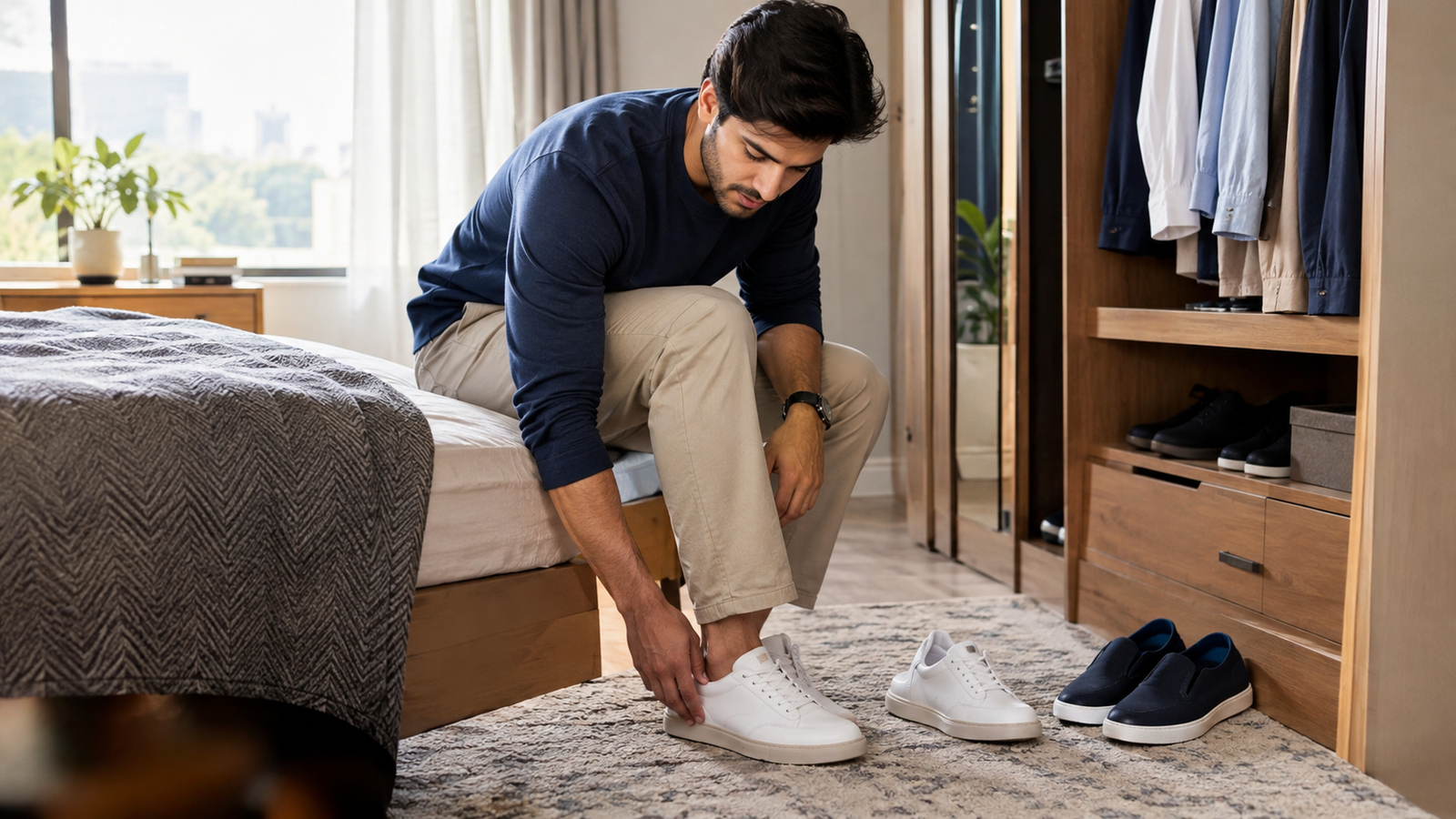
To choose shoes for daily wear in Pakistan, consider your daily routine, foot size, comfort, sole grip, material, and personal style. Select footwear that suits your walking habits, workplace, clothing, and local weather. Before buying online, check the product description, available sizes, total price, and return or exchange policy.
Everyday shoes need to do more than look good. They should suit the places you visit, the clothes you wear, and the time you spend walking or standing.
For students, office workers, professionals, and everyday shoppers, the right pair can make getting ready much easier.
However, not every fashionable shoe works for every routine. A pair that suits a short outing might not suit a full day at university.
This guide explains how to choose practical everyday footwear without relying on appearance alone.
What Makes Good Shoes for Daily Wear?
The best everyday shoes balance fit, function, style, and value. You do not need the most expensive pair or the latest design. You need footwear that suits your actual needs.
Start with these five features:
- Comfortable fit: Your toes need enough room, and your heel should feel secure.
- Suitable sole: The sole should suit your normal walking surfaces and activities.
- Appropriate material: Consider breathability, cleaning, and the conditions where you wear the shoes.
- Versatile design: Choose a style that works with several outfits.
- Reasonable value: Compare the features and price rather than judging cost alone.
The NHS provides similar practical advice about choosing shoes with sufficient toe space, suitable fastening, and an appropriate sole.
Guy’s and St Thomas’ NHS Trust
Remember that comfort is personal. A shoe that suits someone else might not fit your foot shape or daily routine.
Which Shoes Should You Choose for Your Daily Routine?
Before comparing designs, decide where you will wear the shoes most often. Your routine should guide the choice.
| Daily activity | Footwear to consider | What to check |
|---|---|---|
| University or college | Casual sneakers | Fit, weight, and versatility |
| Office or workplace | Loafers or formal shoes | Dress code, fit, and sole |
| Everyday errands | Casual shoes or sneakers | Ease of use and comfort |
| Shopping and city travel | Sneakers or walking-oriented shoes | Grip, fit, and intended use |
| Traditional clothing | Suitable casual or traditional footwear | Outfit match and secure fit |
| Warm-weather outings | Breathable casual footwear or sandals | Airflow, fit, and stability |
These are starting points, not universal rules. The best choice depends on the actual product and how you plan to use it.
Are sneakers good for everyday use?
Sneakers can work well for everyday activities, casual outfits, and many commuting routines. However, lifestyle sneakers and running shoes do not necessarily serve the same purpose.
If you walk frequently, examine the sole, cushioning, stability, and fit. If you need footwear for a specific sport, look for a design intended for that activity.
Do not assume that every sneaker provides the same level of support or performance.
Are formal shoes suitable for daily wear?
Formal shoes can suit office environments and professional settings. Their suitability depends on their fit, construction, and the amount of walking you do.
For a workplace with a formal dress code, compare suitable styles that feel comfortable on your feet. For a more relaxed environment, casual shoes or loafers may offer a better match.
How Do You Choose the Right Shoe Size?
Size is one of the most important factors when buying everyday shoes. Even an attractive pair can become difficult to wear if it presses against your toes or slips at the heel.
Start by measuring both feet at home.
- Place a sheet of paper on a hard, flat surface.
- Stand naturally with your heel near a wall.
- Mark the position of your longest toe.
- Measure the distance from your heel to that mark.
- Repeat the process for your other foot.
- Compare the larger measurement with the seller’s size chart.
Measure in centimetres where possible. Then check the sizing guidance for the specific product.
ISO 19407:2023 explains how major shoe-sizing systems relate to foot-length measurements. It also notes that conversion tables provide guidance rather than a perfect universal match.
Conversion of sizing systems
What should a comfortable fit feel like?
Your toes should have enough room to move naturally. The shoe should not pinch the sides of your foot or create painful pressure.
Your heel should remain reasonably secure as you walk. Also, check the width and depth of the shoe, not just its length.
If you try shoes on in person, test both shoes while wearing your usual socks. Walk a few steps and pay attention to any rubbing or pressure.
For online orders, read the size chart carefully. If the product information does not answer your sizing question, ask the seller before purchasing.
Which Materials and Soles Should You Look For?
Material affects how shoes feel, how you maintain them, and how well they suit your routine. Therefore, examine the product description instead of guessing from photographs.
Breathability and maintenance
If you spend long hours outside in warm Pakistani weather, consider how easily air can circulate around your feet.
Some mesh and fabric uppers allow more airflow than less breathable constructions. However, breathability varies by design and material.
Also consider maintenance. Light-coloured shoes may show dirt more easily, while certain materials need specific cleaning methods.
Check the seller’s stated material and care instructions before making a decision.
Sole grip and flexibility
The sole should match your usual environment.
For everyday pavement walking, look for a stable sole with suitable grip. A sole that feels excessively stiff or unstable may not suit your routine.
Do not judge the sole only by its thickness. Its design, flexibility, and intended use also matter.
If you have recurring foot pain or a specific foot condition, general buying advice may not be enough. Consider seeking advice from a qualified healthcare professional.
How Should You Choose Everyday Shoes for Pakistani Weather?
Pakistan has varied weather conditions, so one style may not suit every season or location.
During hot weather, some shoppers prefer lighter designs and breathable uppers. For wet conditions, consider the sole’s grip and the product’s care instructions.
Dusty routes may also affect your choice of colour and material. For example, a light-coloured pair might require more frequent cleaning than a darker option.
Think about your actual routine rather than buying only for the season.
Someone commuting daily in Lahore may prioritise different features from someone mostly working indoors in Islamabad or studying in Gujranwala. However, fit and suitability matter regardless of location.
Do not assume that one particular material or style works best for every Pakistani shopper.
How Can You Choose Shoes That Match Your Clothes?
Versatility can help you get more use from your everyday footwear.
Before ordering, think about the clothes you already wear. Choose a style that works with several outfits instead of one specific combination.
- Jeans and casual trousers: Sneakers and casual shoes can work well.
- Office trousers: Consider suitable formal shoes or loafers.
- Shalwar kameez: Choose footwear that complements the outfit and occasion.
- University clothing: Casual sneakers may suit relaxed, everyday outfits.
- Family outings: Compare comfortable casual styles that match your clothing.
Colour matters too. Neutral colours can be easier to combine with different outfits, while brighter designs can add contrast.
Ultimately, choose what suits your wardrobe and personal preference.
How Do You Compare Price and Value?
A low price does not automatically make a shoe a good purchase. Likewise, a high price does not guarantee the right fit or the best option for your needs.
Instead, compare the complete product offering.
Use this simple comparison checklist:
| Factor | Questions to ask |
|---|---|
| Fit | Does the size information match your measurements? |
| Purpose | Does the shoe suit your routine? |
| Material | Does the seller clearly identify the material? |
| Construction | Do the product images show useful details? |
| Versatility | Can you wear it with several outfits? |
| Price | Does the cost make sense for the features? |
| Policies | Do you understand delivery and return conditions? |
For example, a pair you plan to wear frequently deserves careful comparison. A pair intended for occasional events may have different priorities.
The goal is not to spend the least money possible. It is to choose a pair that makes sense for your budget and intended use.
What Should You Check Before Buying Shoes Online?
Online shopping makes it easier to compare designs, but photographs cannot fully demonstrate fit or comfort.
Before ordering, review these details:
- Product photographs: Look for clear views from several angles.
- Size information: Compare the product’s chart with your foot measurement.
- Material description: Check what the seller actually states.
- Available sizes and colours: Confirm the current listing.
- Total cost: Review the product price and any additional charges.
- Delivery information: Read the current terms before placing your order.
- Return or exchange policy: Understand the conditions if the fit is unsuitable.
Avoid relying on unsupported phrases such as “perfect comfort” or “best quality.” Look for clear product details instead.
For more online-shopping guidance, read Wearistan’s related article: Buy Shoes Online in Pakistan: Complete Guide.
You can also visit Wearistan to explore the footwear currently displayed on the website. Compare the available product information before deciding.
[INSERT: A real Wearistan product detail, customer question, verified business policy, or genuine shopping experience here.]
Replace this placeholder with verified business information before publishing.
What Is the Wearistan Daily Shoe Checklist?
Use this checklist whenever you compare two pairs of everyday shoes.
- I know where I will wear the shoes.
- I have checked my foot measurement.
- I have reviewed the product’s size chart.
- The shoe design suits my daily activities.
- I have checked the material and sole information.
- The style matches clothes I already own.
- I have compared the total price.
- I understand the current delivery and return terms.
If two pairs seem equally attractive, compare them using these points. The better option is the one that fits your needs most closely, not necessarily the one with the most striking photograph.
Frequently Asked Questions
1. Which shoes are best for daily wear in Pakistan?
The best shoes for daily wear in Pakistan depend on your routine, foot shape, and clothing. Casual shoes and sneakers suit many everyday activities, while loafers or formal shoes may suit office environments. Always check fit and intended use.
2. Are sneakers suitable for everyday use?
Yes, many sneakers suit everyday casual activities. However, not every sneaker is designed for running or sports. Check the product’s intended use, fit, sole, and construction before choosing a pair.
3. How do I choose comfortable shoes for daily wear?
Choose shoes with adequate toe room, a secure heel, and a sole suited to your routine. Measure your feet and compare them with the product’s sizing information. Avoid shoes that cause pinching or painful pressure.
4. How can I choose the correct shoe size online?
Measure both feet in centimetres and compare the larger measurement with the seller’s size chart. Shoe sizing varies across systems and products, so do not rely only on your usual shoe number.
5. Which shoes are suitable for hot weather in Pakistan?
Breathable casual shoes, suitable sneakers, and well-fitting sandals may work for warm weather. Your choice should depend on your daily activities, the shoe’s construction, and how much protection and stability you need.
6. What should I check before buying daily wear shoes online?
Check the size chart, material description, product photographs, intended use, total cost, delivery information, and return or exchange policy. If an important detail is unclear, contact the seller before ordering.
Final Thoughts
Choosing everyday footwear becomes easier when you start with your routine rather than current trends.
Consider fit, comfort, material, sole, style, and value. Then compare the actual product details before placing an order.
If you are ready to explore your options, visit Wearistan and compare the footwear currently available. Choose a pair that suits your everyday needs and the information provided for that specific product.
Leave A Comment